
No products added!
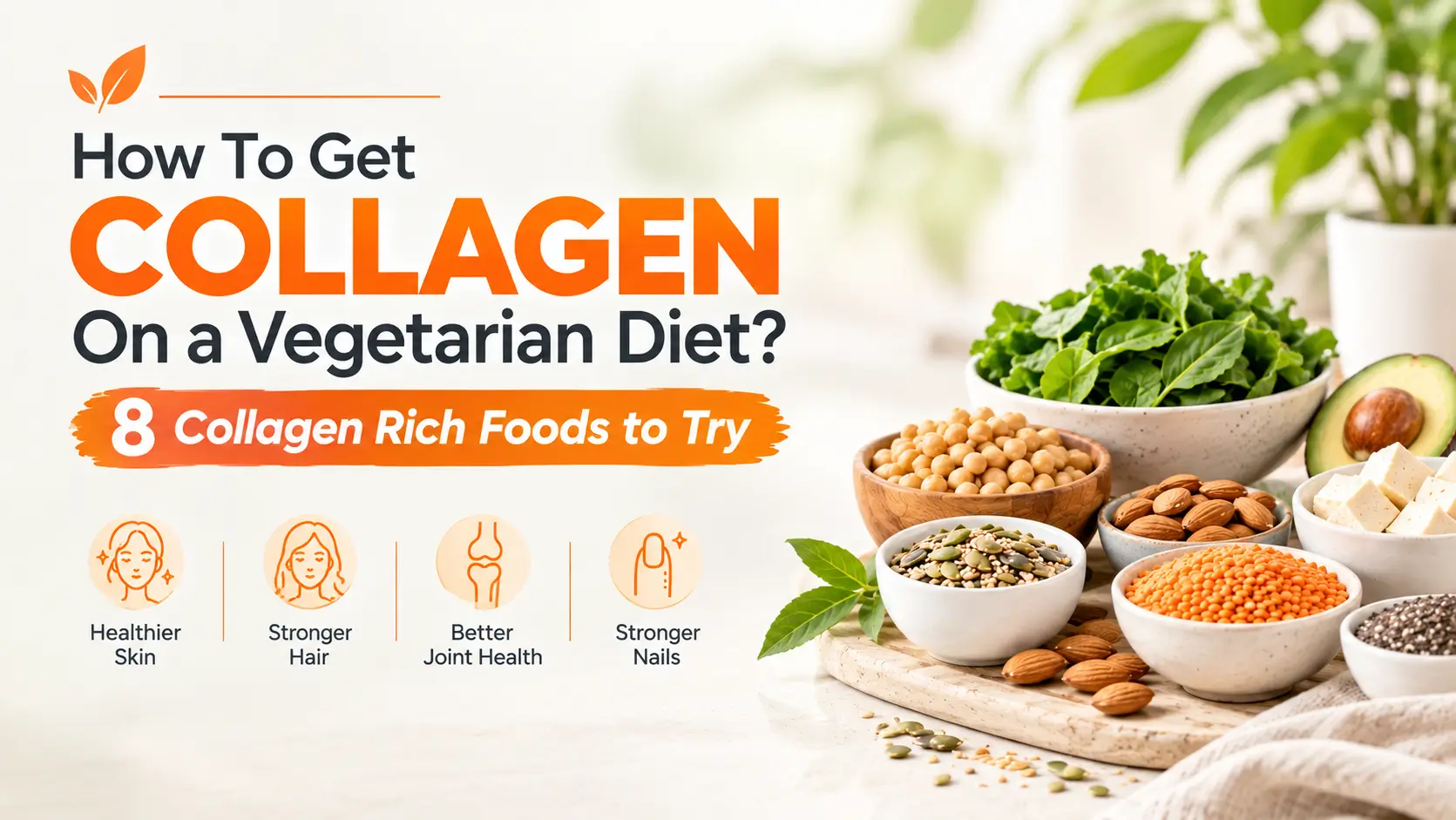
You may have noticed how often people talk about collagen when discussing firm skin, strong nails, and healthy joints. Most collagen supplements on the market come from animal bones, fish scales, or bovine hides. If you follow a plant based lifestyle, you might wonder if it is possible to maintain firm skin and healthy joints without consuming animal products. The answer is a clear yes. You do not need to eat animal collagen to maintain healthy collagen levels in your body.
Table of Contents
Your body is fully capable of manufacturing its own collagen. Instead of consuming pre made animal collagen, your body builds its own collagen using specific amino acids, vitamins, and minerals obtained from your daily food intake. By feeding your body the right plant nutrients, you can naturally stimulate your internal collagen production line. In this guide, you will learn how plant based collagen building works and discover eight nutrient dense foods to add to your daily diet.
Understanding How Your Body Builds Collagen
Collagen is the primary structural protein found in your skin, bones, ligaments, and tendons. It acts as the scaffolding that keeps your skin smooth, elastic, and plump. As you get older, your body naturally slows down its internal production of collagen. Environmental exposure like sun rays, pollution, and high sugar consumption can also speed up collagen breakdown.
When you eat collagen rich animal products or take non vegan supplements, your digestive system breaks down those proteins into individual amino acids anyway. Your body then recombines these amino acids to build new collagen where it is needed. A vegetarian diet provides these exact building blocks directly from plant sources.
To produce collagen efficiently, your body requires three main amino acids: glycine, proline, and hydroxyproline. In addition to these protein fragments, your body relies on specific essential micronutrients to assemble them into strong collagen fibers. The primary helper nutrient is Vitamin C, which binds amino acids together. Copper and zinc also play vital roles in stabilizing the collagen structure.
8 Nutrient Dense Plant Foods to Boost Your Collagen
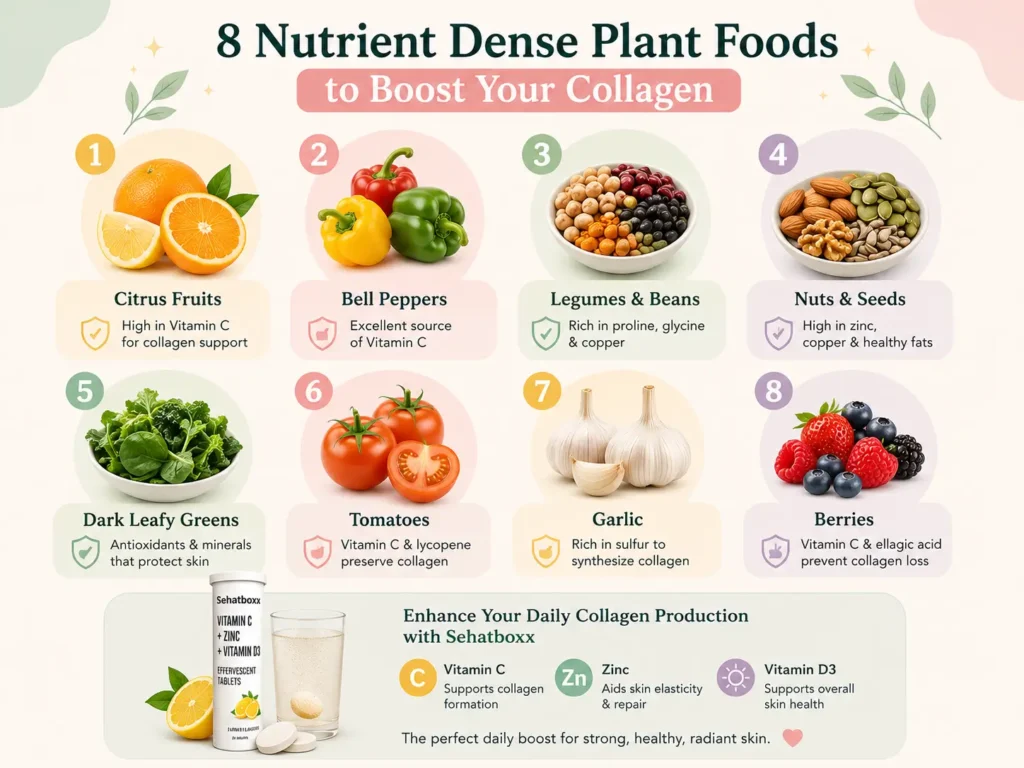
If you want to support your body’s natural protein production, here are eight excellent vegetarian foods that provide key amino acids and helper nutrients.
1. Citrus Fruits
Citrus fruits like oranges, lemons, limes, and grapefruits are famous for their high Vitamin C content. Vitamin C plays an indispensable role in converting proline into hydroxyproline, an amino acid directly involved in stabilizing collagen. Without sufficient Vitamin C, your body simply cannot form or store collagen properly. Adding a glass of fresh lemon water or snacking on an orange every day gives your body an immediate supply of this crucial nutrient.
2. Bell Peppers
Red, yellow, and green bell peppers are exceptionally rich in Vitamin C. In fact, a single red bell pepper contains more Vitamin C than a whole orange. Bell peppers also contain capsaicin and various antioxidants that help protect your existing skin structure from environmental damage. You can easily slice bell peppers into salads, stir fries, or eat them raw with a dip.
3. Legumes and Beans
Chickpeas, lentils, kidney beans, and black beans are stellar sources of plant based protein. They provide high amounts of proline and glycine, which serve as the direct raw materials for collagen synthesis. Legumes also contain copper, a trace mineral required to activate the enzyme responsible for cross linking collagen fibers together.
4. Nuts and Seeds
Pumpkin seeds, sunflower seeds, almonds, and walnuts are packed with zinc and copper. Zinc acts as a vital cofactor in collagen synthesis and supports overall cellular repair. Pumpkin seeds in particular provide a rich dose of both zinc and healthy fats, making them a great daily snack to support soft, resilient skin. You can explore 15 veg foods that naturally boost your immunity to learn more about nutrient dense seeds and plant foods that keep your body functioning at its best.
5. Dark Leafy Greens
Spinach, kale, Swiss chard, and lettuce are packed with antioxidants and chlorophyll. Chlorophyll is the pigment that gives plants their deep green color, and studies suggest it can increase the precursor to collagen in skin cells. Leafy greens also supply a healthy dose of Vitamin C and essential minerals that shield your skin against premature breakdown.
6. Tomatoes
Tomatoes are a fantastic source of Vitamin C and lycopene. Lycopene is a potent antioxidant that shields your skin from sun damage and preserves existing collagen reserves. Cooking tomatoes in a little olive oil increases the absorption of lycopene, so enjoy them in warm pasta sauces, soups, or roasted vegetable dishes.
7. Garlic
Garlic adds fantastic flavor to your meals while actively protecting your collagen. Garlic is rich in sulfur, a trace mineral that helps synthesize collagen and prevents its breakdown in the body. Garlic also contains taurine and lipid acid, which help rebuild damaged collagen fibers. Adding freshly chopped garlic to your daily cooking is a simple way to gain these benefits.
8. Berries
Strawberries, blueberries, blackberries, and raspberries are full of Vitamin C and ellagic acid. Ellagic acid is an antioxidant that helps prevent collagen degradation caused by UV exposure. Mixing berries into your morning oatmeal or yogurt creates a delicious, skin loving breakfast option.
Enhance Your Daily Collagen Production with Sehatboxx
Meeting your daily micronutrient targets purely through diet can sometimes be challenging. To make sure your body gets the exact vitamins it needs for smooth collagen assembly, try Vitamin C + Zinc + Vitamin D3 Effervescent Tablets by Sehatboxx. This refreshing, fast dissolving drink supplies your body with optimal doses of Vitamin C and Zinc to support skin elasticity and internal tissue repair every single day.
Essential Micronutrients for Vegetarian Collagen Building
To give you a clear overview of how plant nutrients work together, here is a helpful reference table showing the main micronutrients, their specific role in collagen building, and top vegetarian sources.
| Nutrient | Role in Collagen Production | Top Vegetarian Sources |
| Vitamin C | Binds amino acids together and stabilizes collagen molecules | Citrus fruits, bell peppers, berries, tomatoes |
| Zinc | Activates enzymes needed for collagen synthesis and cell repair | Pumpkin seeds, chickpeas, lentils, cashews |
| Copper | Enables cross linking of collagen fibers for structural strength | Sesame seeds, dark chocolate, sunflower seeds, beans |
| Proline & Glycine | Direct amino acid building blocks of collagen protein | Tofu, tempeh, beans, quinoa, peanuts |
| Sulfur | Prevents collagen breakdown and supports structural links | Garlic, onions, broccoli, Brussels sprouts |
Lifestyle Habits That Protect Your Existing Collagen
Eating nutrient rich vegetarian foods is essential, but protecting the collagen you already have is equally important. Certain daily habits can damage your collagen fibers and make your skin lose its elasticity faster. Here are three simple lifestyle habits you should adopt to safeguard your skin health.
- Limit Refined Sugar Intake: High sugar consumption leads to a process called glycation, where sugar molecules attach to collagen proteins and make them stiff and brittle.
- Wear Sunscreen Daily: Ultraviolet radiation breaks down collagen fibers rapidly. Applying a broad spectrum sunscreen every day keeps your skin protected from premature aging.
- Stay Well Hydrated: Water carries nutrients to your skin cells and maintains structural plumpness. Make sure you drink plenty of fluids throughout the day.
Combining clean nutrition with targeted skin support helps you maintain a youthful appearance. For comprehensive skin health, many people combine collagen boosting nutrients with powerful antioxidants. You can read about glutathione vs vitamin c for skin what you should know to understand how different antioxidants protect your skin from oxidative damage. If you are specifically interested in achieving a radiant glow, you can check glutathione for skin brightening and whitening benefits myths and results.
In addition, maintaining a strong immune defense keeps your cellular repair mechanisms working at peak capacity. To learn more about mineral support, read about zinc for immunity 7 benefits you should know.
Elevate Your Skin Health Routine
To further protect your skin cells against oxidative stress and support internal cellular health, consider adding L-Glutathione 600 mg Effervescent Tablets by Sehatboxx to your daily routine. Sehatboxx offers evidence based, research driven formulations that dissolve quickly for fast absorption, helping you feel fresh and vibrant every day.
Frequently Asked Questions
1. Can vegetarians get direct collagen from plant foods?
No, natural collagen is found exclusively in animal tissues, so plant foods do not contain direct collagen. However, plant foods provide the essential amino acids and vitamins your body needs to create its own collagen naturally.
2. How long does it take to see results after changing my diet?
It usually takes around six to twelve weeks of consistent nutrient intake to notice visible improvements in your skin texture and hair strength. Consistency with your daily diet and routine supplements is key for lasting results.
3. Is Vitamin C mandatory for collagen production?
Yes, Vitamin C is essential because your body cannot link amino acids together to form collagen without it. A deficiency in Vitamin C directly impairs your body’s ability to build and repair connective tissue
4. Do plant based collagen boosters work as effectively as animal collagen?
Plant based collagen boosters are very effective because they equip your body with raw ingredients to produce its own tailored collagen. They support your natural biological processes without requiring animal derived inputs.
5. How does Sehatboxx support my plant based wellness goals?
Sehatboxx provides transparent, effervescent supplements like Vitamin C, Zinc, and L-Glutathione that fit seamlessly into a vegetarian lifestyle. Their clean, fast absorbing formulas give your body daily support for skin elasticity and overall vitality.