
No products added!
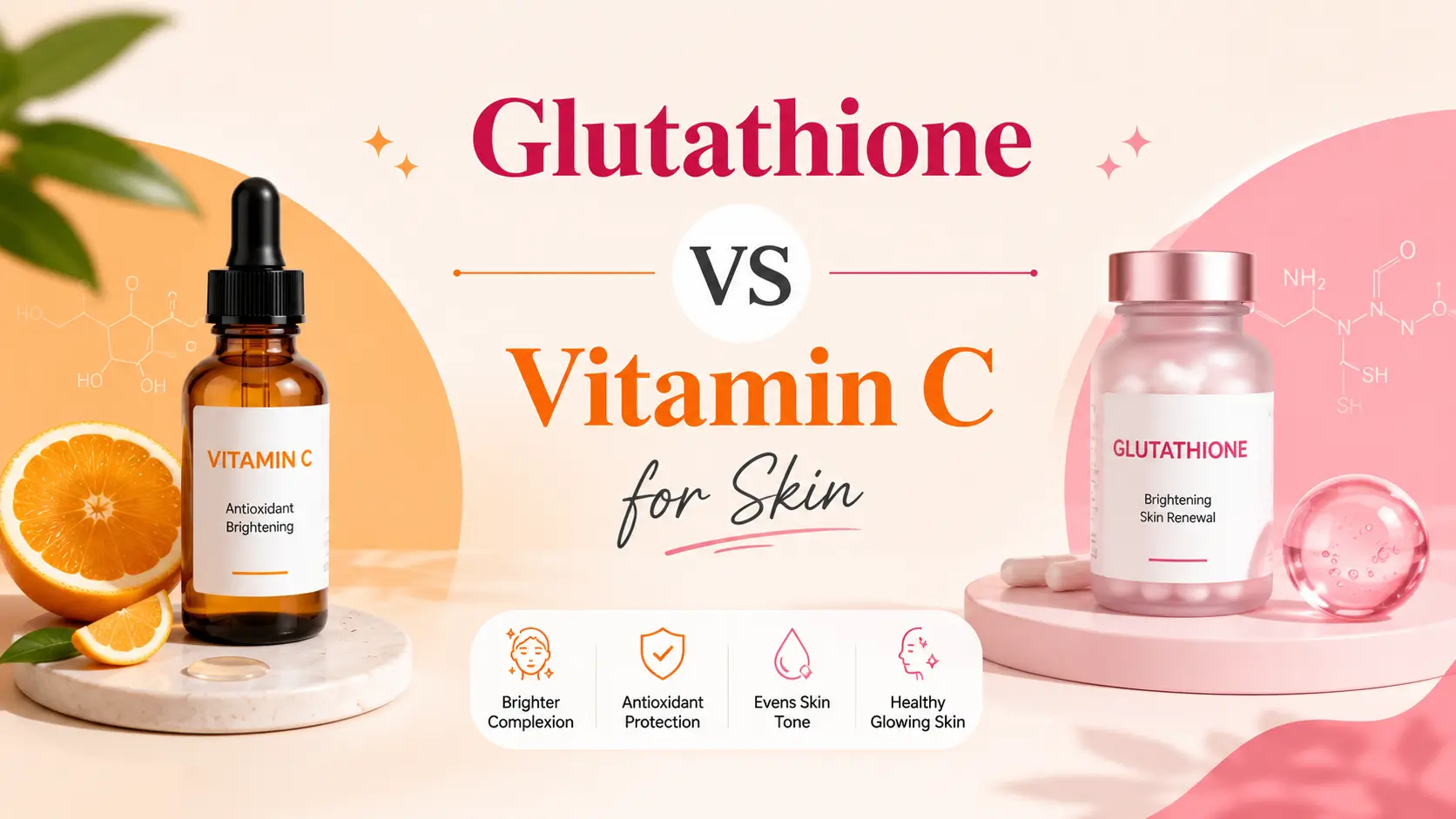
If you are looking for ways to support brighter, healthier looking skin, you have probably come across glutathione and vitamin C. Both are nutrients with antioxidant roles, and both are widely discussed in skin and wellness routines.
Table of Contents
But before you add a supplement to your daily routine, it helps to understand what each nutrient does, what you can realistically expect, and how your overall lifestyle affects your skin.
Glutathione is naturally made by your body and helps protect cells from oxidative stress. Vitamin C is an essential nutrient that supports collagen production, antioxidant activity, wound healing, and normal immune function.
In this guide, you will learn how glutathione and vitamin C support your skin, what the research says about their use, and how you can include them in a simple wellness routine.
What Is Glutathione?
Glutathione is a substance naturally produced in your body. It is made from three amino acids and is found inside your cells. One of its important functions is helping protect cells from oxidative stress.
Glutathione has also received attention for its possible role in skin pigmentation. Research suggests that it may influence melanin production, which is why oral and topical glutathione products are often marketed for skin brightening. However, the evidence is still developing, and results from studies have not always been consistent.
If you want to understand the subject in more detail, you can explore Sehatboxx’s guide to glutathione for skin brightening and whitening, which discusses common claims, expected results, and practical considerations.
How Glutathione May Support Your Skin
Glutathione is mainly discussed in skincare because of its antioxidant activity and possible effects on melanin.
You may be interested in glutathione if your goal is to support:
- A more even looking complexion
- Healthy looking skin
- Protection from oxidative stress
- A brighter appearance
- Overall antioxidant support
It is important to keep your expectations realistic. Clinical evidence suggests that oral glutathione may produce some changes in skin pigmentation in certain people, but the results can vary and long term effects are not well established.
You should also avoid intravenous glutathione injections for cosmetic skin lightening. Research has raised important safety concerns and does not provide enough evidence to support this approach.
What Is Vitamin C?
Vitamin C is an essential nutrient, which means your body needs it from food or supplements because it cannot make enough on its own.
You can get vitamin C from foods such as oranges, guava, amla, peppers, tomatoes, broccoli, and other fruits and vegetables.
For your skin, one of the most important functions of vitamin C is its role in collagen production. Collagen helps provide structure to your skin and supports normal wound healing. Vitamin C also acts as an antioxidant and helps protect cells from oxidative stress.
How Vitamin C Supports Healthy Skin
When your diet does not provide enough vitamin C, meeting your nutritional needs becomes important for normal body function.
A balanced vitamin C intake can support:
- Normal collagen production
- Healthy skin structure
- Antioxidant protection
- Normal wound healing
- Immune function
- Absorption of iron from plant based foods
Vitamin C is also widely used in topical skincare products. If you use a topical vitamin C product, it is important to follow the product instructions and continue using sun protection.
Glutathione and Vitamin C Have Different Roles
When you are deciding what belongs in your routine, focus on the role of each nutrient rather than expecting one supplement to solve every skin concern.
Glutathione is naturally present in your cells and is known for its antioxidant activity. It has also been studied for its possible effect on melanin production and skin pigmentation.
Vitamin C has a well established nutritional role in collagen formation, antioxidant protection, and immune function.
Your skin also needs more than a single nutrient. Your diet, hydration, sleep, sun exposure, stress, skincare routine, and overall health can all influence how your skin looks and feels.
Can You Take Glutathione and Vitamin C Together?
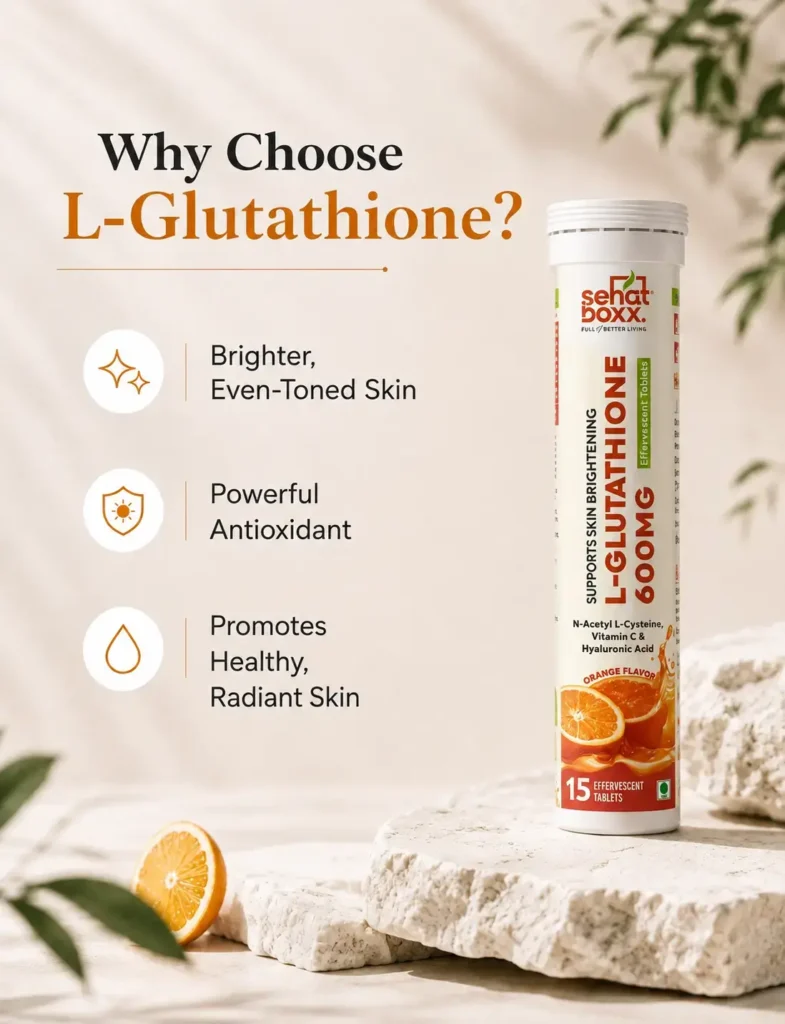
Many people are interested in using both as part of their wellness routine. The two nutrients are found together in some formulations, including Sehatboxx’s L Glutathione 600 mg Effervescent Tablets.
The Sehatboxx formulation includes L glutathione along with N Acetyl L Cysteine, vitamin C, and hyaluronic acid. The tablet is designed to dissolve in water, making it convenient to include in your daily routine.
You can check the Sehatboxx L Glutathione 600 mg Effervescent Tablets if you are looking for a convenient glutathione supplement.
Keep in mind that supplements should not replace a balanced diet. You should also follow the serving instructions on the product packaging instead of assuming that taking more will produce faster results.
What About Vitamin C With Zinc and Vitamin D3?
Your skin is only one part of your overall wellness. If you also want nutritional support for immunity and daily health, a formula containing vitamin C, zinc, and vitamin D3 may fit into your routine.
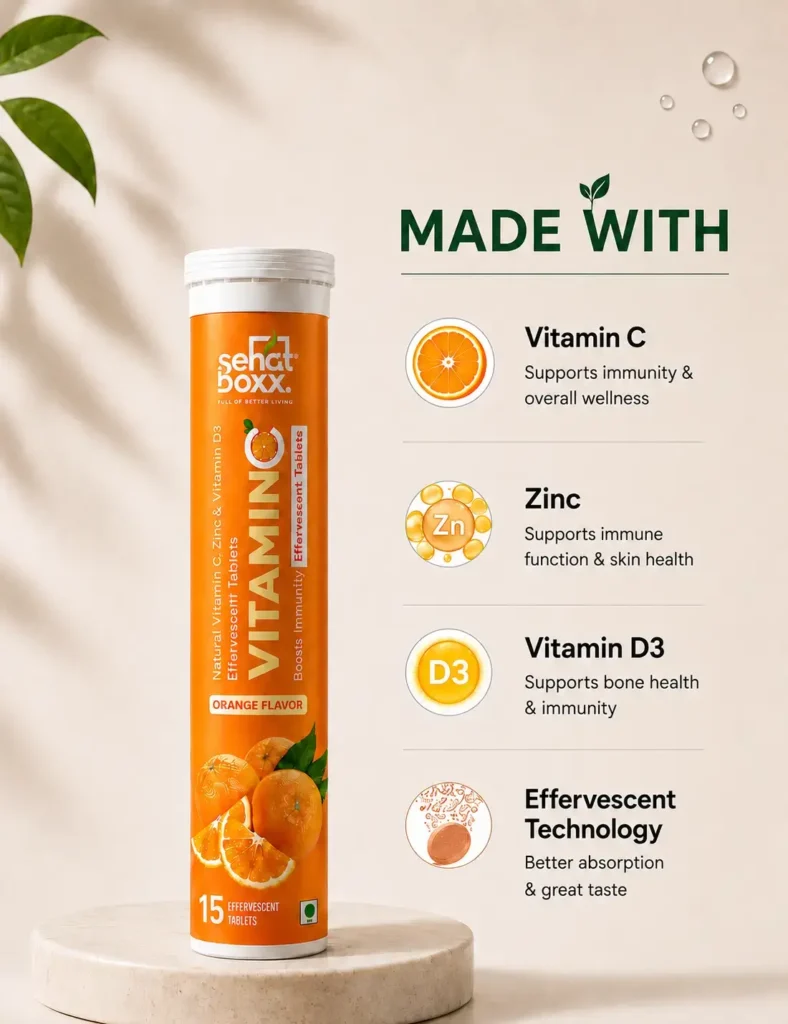
Sehatboxx Vitamin C + Zinc + Vitamin D3 Effervescent Tablets contain these three nutrients in a drinkable effervescent format. According to the product information, the tablet is designed to dissolve in 200 ml of water and is intended for daily wellness support.
You can explore Sehatboxx Vitamin C Zinc and Vitamin D3 Effervescent Tablets if you want an easy way to include these nutrients in your routine.
Vitamin C also has an important role in supporting normal collagen formation and immune function, while zinc supports normal immune function and cell processes.
When Should You Consider a Nutrient Check?
Sometimes skin changes are not simply a skincare issue. Your diet and nutrient intake can affect your overall wellbeing.
If you have concerns about your nutrition, learning about common vitamin and mineral deficiencies in Indians can help you understand why getting enough essential nutrients matters.
You may also want to pay attention to other changes in your body. For example, persistent hair concerns can have several causes, including nutritional problems. You can learn about signs your hair loss could be due to vitamin deficiency for general nutritional awareness.
This does not mean that every skin or hair concern is caused by a deficiency. If you have persistent symptoms, speak with a qualified healthcare professional rather than starting several supplements without guidance.
How to Build a Simple Skin Wellness Routine
You do not need a complicated routine to support healthy looking skin.
Start with the basics:
- Eat a varied diet with fruits, vegetables, protein, whole grains, and healthy fats.
- Drink enough fluids throughout the day.
- Use sunscreen with SPF 30 or higher and broad spectrum protection when you are outdoors.
- Cleanse your skin gently.
- Use a moisturizer that suits your skin type.
- Get enough sleep.
- Avoid smoking.
- Manage stress as much as possible.
- Take supplements only when they fit your nutritional needs and personal health situation.
If you are considering vitamin C because you want broader wellness support, you can also learn about vitamin C and zinc for immunity.
Vitamin C is also commonly discussed during periods when you have a cold. If that is something you are researching, Sehatboxx explains whether vitamin C can help you recover faster from a cold.
What Results Should You Expect?
This is where you should be realistic.
Neither glutathione nor vitamin C should be viewed as an instant solution for changes in your skin. Your skin naturally changes over time, and visible results can depend on your diet, skincare routine, sun exposure, genetics, age, and overall health.
Research on glutathione for skin pigmentation has shown some promising findings, but recent reviews still describe the evidence as limited or variable.
Vitamin C has a stronger established nutritional role, particularly in collagen production and antioxidant activity.
If your main concern is persistent pigmentation, melasma, acne marks, or sudden changes in your skin, a dermatologist can help identify the cause and recommend suitable treatment.
Why Sehatboxx Can Fit Into Your Daily Routine
If you prefer supplements that are simple to use, Sehatboxx offers effervescent formulations designed around everyday wellness.
We focus on research driven formulations, transparent ingredients, and convenient products that can fit into a daily routine. Its L Glutathione 600 mg Effervescent Tablets provide glutathione with supporting ingredients, while its Vitamin C + Zinc + Vitamin D3 Effervescent Tablets provide three nutrients in one convenient drink.
The key is consistency with your overall wellness routine. A supplement can support your nutritional intake, but it works best alongside a balanced diet, regular sleep, hydration, skincare, and sun protection.
Final Thoughts
Glutathione and vitamin C are both important nutrients with antioxidant roles, but they have different functions in your body.
Glutathione is naturally produced by your body and has been studied for its antioxidant activity and possible effects on melanin. Vitamin C has a well established role in collagen production, antioxidant protection, immune function, and normal wound healing.
If you want to support your skin from within, start with good nutrition, adequate hydration, sun protection, sleep, and a consistent skincare routine. You can then consider a suitable supplement based on your individual needs.
With Sehatboxx options such as L Glutathione 600 mg Effervescent Tablets and Vitamin C + Zinc + Vitamin D3 Effervescent Tablets, adding everyday nutritional support can be simple and convenient. Always follow the product directions and seek professional advice when you are unsure whether a supplement is right for you.
Frequently Asked Questions
1. Is glutathione good for skin?
Glutathione has antioxidant properties and has been studied for its possible effect on skin pigmentation. Research suggests that results can vary, so you should have realistic expectations.
2. What does vitamin C do for your skin?
Vitamin C supports collagen production and provides antioxidant activity. Getting enough vitamin C also supports normal wound healing and immune function.
3. Can you take glutathione and vitamin C together?
Some supplements contain both ingredients in the same formulation. If you are taking separate supplements, check the serving information and speak with a healthcare professional if you have a medical condition or take medicines.
4. Does glutathione permanently change your skin tone?
There is not enough evidence to say that oral glutathione produces permanent changes in skin pigmentation. Studies have reported variable results and limited information about how long changes may last.
5. Should you use supplements for brighter skin?
Supplements may be useful when they support your nutritional needs, but they should not replace a balanced diet or basic skincare habits. If you have a specific pigmentation concern, a dermatologist can help you choose an appropriate approach.